
Marketplace vs Own Website: How to Sell Online in Malaysia
By Toppages
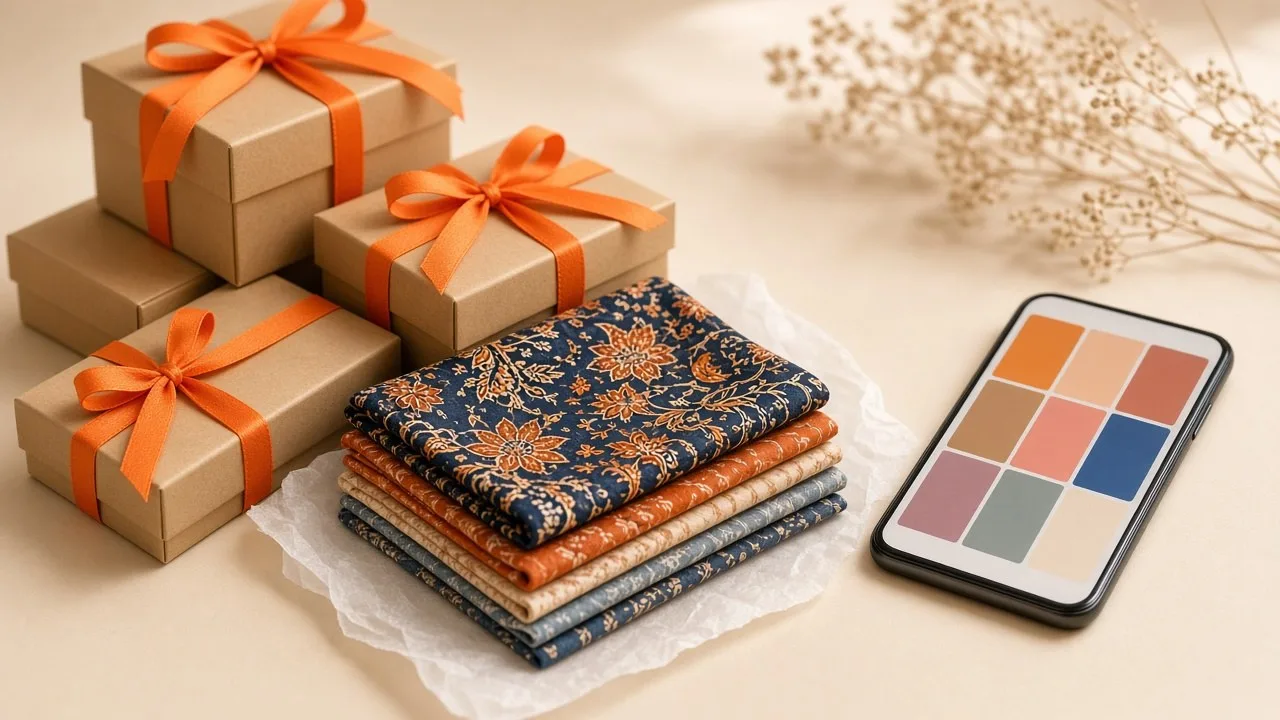
Selling online in Malaysia is no longer something only big brands do. Home bakers take orders through WhatsApp, batik makers sell through Instagram, and hardware shops post their stock on Facebook. Many of these businesses do well, but they are all building on platforms they don't control.
An e-commerce website changes that. It gives your products a permanent home on your own domain, where customers can browse, compare and contact you without distractions from other sellers. This guide explains what an e-commerce website in Malaysia should include, the rules online sellers need to know, and practical steps to turn visitors into orders.
Why Malaysian businesses need their own online store
Online shopping is now a normal habit. According to the Department of Statistics Malaysia (DOSM) ICT Use and Access by Individuals and Households Survey Report 2024, 70.8% of Internet users in Malaysia bought goods or services through e-commerce in 2024, and 93.0% used the Internet to find information about goods or services.
That second number matters as much as the first. Even customers who end up buying in your shop, or by bank transfer after a chat, often start by looking you up online. If the only place they find you is a marketplace listing next to ten cheaper competitors, you are competing on price alone.
Your own website lets you:
- Show your full range, not just what fits in a marketplace listing
- Tell your story, explain your quality and build trust
- Keep customer enquiries coming directly to you
- Avoid being affected overnight by a platform's policy or fee changes
- Build search visibility on Google that grows over time
Marketplaces and social media still have a place. The strongest setup for most small businesses is a website as the home base, with social media and marketplaces sending people to it.
Marketplace, social media or your own website?
Each channel does a different job:
- Marketplaces bring ready-to-buy traffic, but you share the page with competitors and follow the platform's rules and fees.
- Social media is great for reaching people and showing new stock, but posts disappear down the feed and are hard to search later.
- Your own website is the place you control. Products stay organised, your contact details are always visible, and Google can index every product page.
If you sell a small number of items to a local audience, you may not need a full shopping cart on day one. Many Malaysian SMEs start with a clear product catalogue where every product has a price, photos and a button to order on WhatsApp. Customers get the information they need, and you close the sale in a conversation you already know how to handle.
What every e-commerce website in Malaysia should include
Clear product pages
Each product deserves its own page with:
- Sharp photos from several angles, taken in good natural light
- A short description of what it is and who it is for
- Size, weight, material, flavour, colour or other key details
- The full price, including any delivery charges or how they are worked out
- A clear way to order or ask a question
Simple categories and search
Group products the way customers think. A furniture shop might use "Living room", "Bedroom" and "Outdoor" rather than internal stock codes. Keep menus short, so people reach a product in two or three taps.
Trust signals
Online buyers can't touch your products or meet you in person, so your website needs to reassure them:
- Your registered business name and registration number
- A physical address, phone number and email
- Real photos of your shop, workshop or team at work
- Clear delivery, return and refund information
- A secure site address (https) with an SSL certificate
Mobile-first design
Most Malaysians shop on their phones, so test every page on a phone first. Buttons should be big enough to tap, text should be readable without zooming, and photos should load quickly.
The rules online sellers in Malaysia need to know
Malaysia has specific consumer protection rules for online selling under the Consumer Protection Act 1999. The Consumer Protection (Electronic Trade Transactions) Regulations 2012 required anyone selling goods or services through a website to disclose key information, including:
- The name of the person, business or company
- The business or company registration number, if applicable
- An email address and telephone number, or an address
- A description of the main characteristics of the goods or services
- The full price, including transportation costs, taxes and any other costs
- The method of payment
- The terms and conditions
- The estimated time of delivery
These regulations were replaced by the Consumer Protection (Electronic Trade Transaction) Regulations 2024, which came into force on 25 December 2024. The newer rules carry forward the disclosure approach and add requirements such as providing information in the national language. The safe habit is simple: never hide the price behind "PM for price", and make your business details, delivery terms and policies easy to find on every product page.
This article is general information, not legal advice. Check the latest guidance from the Ministry of Domestic Trade and Cost of Living (KPDN) for your type of business.
How to get your first orders from your website
Make ordering effortless
Every product page should end with an obvious next step. For many local businesses that is a WhatsApp button with a pre-filled message such as "Hi, I'd like to order this item", plus an enquiry form for customers who prefer email.
Write for search, not just for browsing
Use the words customers type into Google. A hypothetical kuih supplier in Ipoh would do better with "Kuih lapis for events, delivery in Ipoh" than with a generic "Product 12". Write a unique description for each product instead of copying the manufacturer's text.
Keep stock and prices up to date
Nothing loses a sale faster than an out-of-stock item that still looks available, or a price that changed months ago. Choose a website you can update from your phone in a minute, so it stays accurate.
How Toppages helps you sell online
Toppages builds and manages websites for local businesses in Malaysia. Our Premium plan is RM990 a year plus a one-time RM490 setup fee, and includes:
- A complete website with Home, About, Products/Services, Blog and Contact pages
- Unlimited product posting from a client dashboard that works on your phone
- A WhatsApp button and enquiry form on every product and service page, with enquiries arriving by email and in your dashboard inbox
- Your own domain with SSL security, fast cloud hosting and Cloudflare CDN
- Built-in Google SEO and a mobile-first, responsive design
- Hosting, security and technical maintenance handled by our team
You add the products, photos and prices. We look after the design and everything technical. If your business needs more than the standard setup, such as more pages or help uploading your products, our Custom Plan is quoted for what you need.
Frequently asked questions
Do I need a shopping cart and payment gateway to sell online?
Not always. Many small businesses in Malaysia sell successfully with a product catalogue and a WhatsApp or enquiry button, then confirm payment directly. A full cart makes more sense when you have many products and a steady flow of orders from customers who don't need to ask questions first.
What information must I show on my online store?
At minimum, show your business name and registration number, contact details, product descriptions, full prices including delivery and other charges, payment methods, terms and conditions, and estimated delivery times. Check KPDN's latest guidance for your situation.
How long does it take to launch an e-commerce website?
It depends on how many products you have and how ready your photos and descriptions are. With Toppages, a complete website is ready in 14 days once we have your details, and you can keep adding products yourself after launch.
Ready to start selling online?
If you want a professional online store without the technical headaches, chat with us on WhatsApp or send us a message. Tell us what you sell and how customers usually order, and we'll show you how your website could look.